The 5 Systems Every New Head Needs in Their First 100 Days
Most new Heads focus on vision and relationships. But without these five operational systems, you'll drown before you can lead.
December 17, 2025
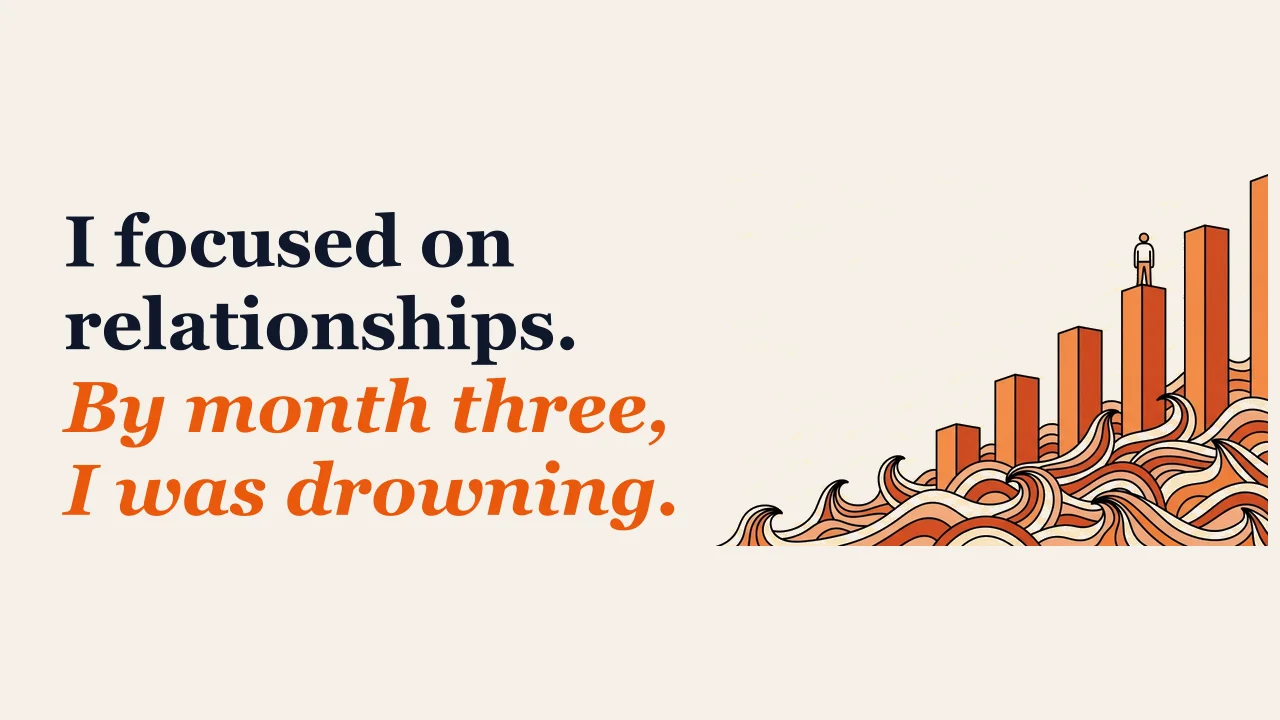
When I became Head, I did what most new leaders do: I focused on relationships.
I met with every staff member. I had coffee with parents. I attended every event. I was visible, available, and present.
By month three, I was drowning.
Not because relationships don’t matter — they do. But because I had no systems to manage the operational load. Every decision came to me. Every question required my input. Every problem landed on my desk.
I was working 70-hour weeks and falling further behind.
What saved me wasn’t working harder. It was building systems — specifically, five systems that every new Head needs but nobody tells you about.
System 1: The Weekly Operating Rhythm
Most schools run on an annual calendar: start of year, end of semester, graduation. But a year is too long for operational management. Things slip through cracks. Priorities drift. Accountability fades.
You need a weekly rhythm.
Here’s what mine looks like:
Monday: Leadership Alignment
- 60-minute leadership team meeting
- Review key metrics (attendance, incidents, concerns)
- Surface blockers and make decisions
- Align on priorities for the week
Tuesday-Thursday: Execution
- Scheduled time for deep work
- One-on-ones with direct reports
- Classroom visits and community presence
Friday: Reflection and Prep
- Review what got done vs. planned
- Clear inbox and close loops
- Prep for next week
The specific days don’t matter. What matters is having a predictable rhythm that everyone knows. When your team knows that decisions happen on Monday, they stop interrupting you with decisions on Wednesday.
I wrote more about meeting discipline in Stop Scheduling Meetings to Decide What to Meet About.
How to set it up: Block your calendar for the next 12 weeks with your rhythm. Protect those blocks. Tell your team when things happen. Stick to it for at least a month before adjusting.
System 2: The Decision Filter
New Heads get pulled into every decision because no one knows what decisions you want to see.
A decision filter fixes this by creating clear criteria for what comes to you vs. what gets handled elsewhere.
My filter:
| Decision Type | Who Decides | I See It When… |
|---|---|---|
| Curriculum and instruction | Principals | Policy change or significant resource need |
| Student discipline | Principals | Suspension 3+ days or expulsion |
| Staff performance | Direct supervisor | PIP or termination |
| Budget under $1000 | Department head | Never (unless pattern) |
| Budget $1000-$5000 | Principal | Approval needed |
| Budget over $5000 | Me | Always |
| Parent complaints | First responder | Escalation or legal concern |
| Facilities | Ops manager | Safety or major repair |
I shared this filter with my leadership team on day one. When someone brought me a decision that wasn’t mine, I pointed to the filter: “This is yours. What do you think we should do?”
How to set it up: List the 20 most common decisions that come to you. For each, ask: does this actually need me, or am I just used to being involved? Assign clear owners. Share the filter widely.
System 3: The Stakeholder Map
As Head, you have dozens of stakeholders: board members, parents, teachers, staff, students, vendors, community partners. Each has different needs, expectations, and influence.
If you treat them all the same, you’ll waste time on low-priority relationships and neglect high-priority ones.
A stakeholder map helps you prioritize.
I create a simple 2x2:
| Low Influence | High Influence | |
|---|---|---|
| High Interest | Keep Informed | Manage Closely |
| Low Interest | Monitor | Keep Satisfied |
Manage Closely: Board chair, key parent leaders, leadership team. These people need regular, proactive communication. I schedule recurring check-ins.
Keep Satisfied: Major donors, board members, influential parents. They don’t need frequent contact, but when they do engage, it needs to go well. I respond quickly and personally.
Keep Informed: General parent body, most staff, community. Regular updates through normal channels (newsletters, all-hands). They don’t need individual attention unless they ask for it.
Monitor: Vendors, occasional volunteers, peripheral community members. Touch base occasionally. Don’t invest heavily unless something changes.
How to set it up: List your top 30 stakeholders by name. Place each on the 2x2. Adjust your communication and meeting cadence accordingly.
System 4: The Documentation Habit
In my first month, I made promises I forgot. I had conversations I couldn’t recall. I agreed to things I didn’t track.
This is normal for a new Head — you’re meeting hundreds of people and processing massive amounts of information. But it erodes trust quickly. When you forget what you said to someone, they notice.
The solution is a documentation habit: a simple system for capturing what matters.
My system:
- Daily log: At the end of each day, I spend 10 minutes writing down key conversations, decisions, and commitments. Just bullet points.
- Meeting notes: For any meeting with more than two people, someone takes notes and shares them within 24 hours.
- Commitment tracker: Any promise I make goes into a running list with a deadline. I review this weekly.
This sounds bureaucratic. It’s not. It’s 15-20 minutes per day that saves hours of confusion, missed commitments, and relationship damage.
This documentation habit is a core part of what I’m building in the No-Admin Second Brain Guide — the complete toolkit for school leaders who want to stay on top of everything without burning out.
How to set it up: Create a simple document or note for your daily log. Start today. Build the habit before you need the records.
System 5: The Feedback Loop
New Heads often operate blind. You don’t know what people think because they don’t tell you — at least not directly. Power creates distance. People filter what they say to the boss.
You need to build explicit feedback loops to surface what you’re missing.
My feedback loops:
Weekly skip-levels: Every week, I have coffee with 2-3 people who don’t report to me directly. No agenda. Just: “What should I know that I probably don’t?”
Monthly pulse surveys: A simple 3-question survey to all staff: What’s working well? What’s frustrating you? What should leadership know?
Quarterly parent forums: Small-group conversations with parents. Not town halls (which attract the loudest voices) but small, facilitated discussions.
Board feedback: After each board meeting, I ask the chair: “What feedback do you have for me? What could I have done better?”
The key is making feedback safe and regular. One-off feedback requests don’t work because people don’t trust that it’s safe. Regular loops build trust over time.
How to set it up: Schedule your first skip-level for next week. Create a simple pulse survey and send it this month. Start building the habit.
The First 100 Days Sequence
Here’s how I’d sequence building these systems:
Days 1-30: Observe and Document
- Start your daily documentation habit immediately
- Create your stakeholder map
- Observe the current operating rhythm (or lack thereof)
- Don’t change too much yet — you’re gathering information
Days 31-60: Establish Your Rhythm
- Implement your weekly operating rhythm
- Share your decision filter with leadership team
- Start skip-level conversations
- Begin shifting decisions to appropriate owners
Days 61-90: Solidify and Adjust
- Launch your first pulse survey
- Adjust systems based on what you’ve learned
- Document processes that are working
- Identify gaps that need attention next
Days 91-100: Review and Plan
- What’s working? What’s not?
- What systems need refinement?
- What’s the next phase of your entry plan?
The Mistake I Made
My biggest mistake in year one: I thought systems were bureaucracy.
I wanted to be a relationship leader, not a process leader. I thought systems would make me seem cold or corporate.
The opposite happened.
Without systems, I was drowning. I forgot things. I was inconsistent. I couldn’t give people real attention because I was constantly reacting.
With systems, I had capacity. I remembered commitments. I was reliable. I could be fully present in conversations because I trusted my systems to catch everything else.
Systems don’t replace relationships. They create the capacity for relationships.
I wrote more about this shift in What I Wish I Knew Before My First Year as Head.
What Success Looks Like
By the end of my first year, these systems were humming:
- Leadership team knew exactly when decisions happened and who made them
- My calendar had predictable blocks for deep work and reflection
- I could pull up any conversation or commitment from the past year
- I heard about problems early instead of when they exploded
- I worked 50 hours instead of 70
I wasn’t perfect. But I was sustainable. And that made everything else possible.
If you’re a new Head and want help building these systems before you burn out, let’s talk. The first 100 days are the best time to establish how you’ll operate — before bad habits become permanent.
And if you want templates and frameworks to build these systems faster, the No-Admin Second Brain Guide will include everything I wish I’d had on day one.

Want help building systems like this?
We help school leaders automate the chaos and get their time back.